Category: divorce attorney san Jose ca

  • How to File for Divorce in California Step-By-Step

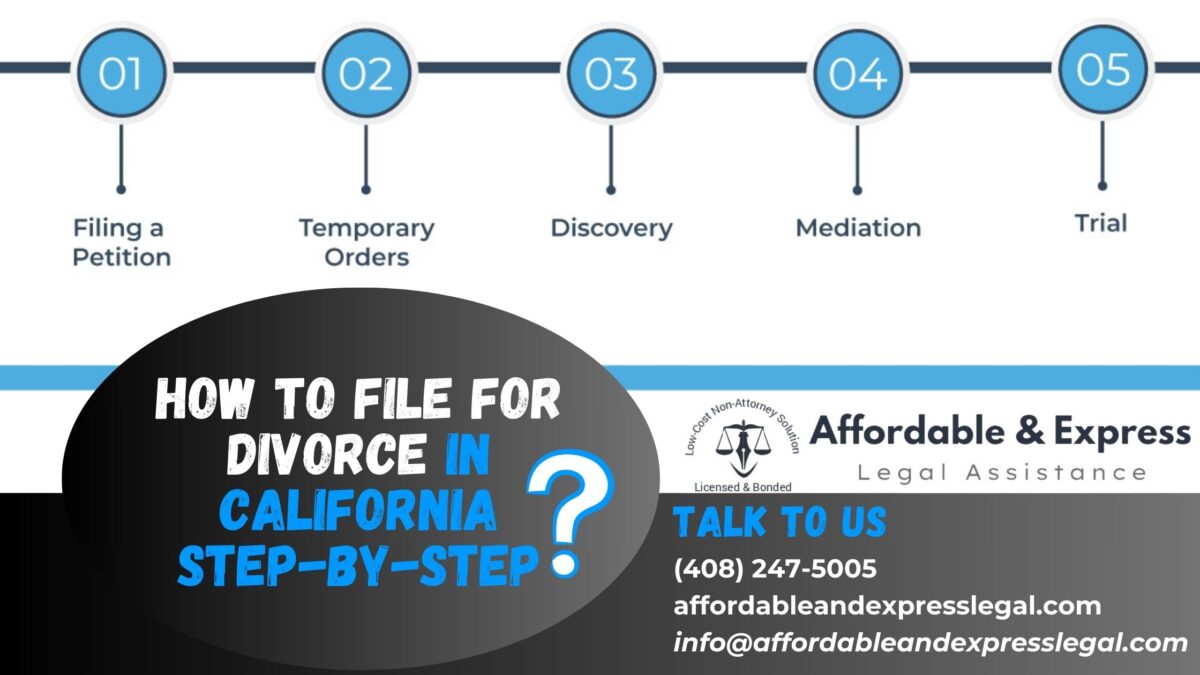
    How to File for Divorce in California Step-By-Step

    When you find yourself in a situation where divorce is the only viable option, navigating the legal process is crucial. California, being one of the most populous states in the United States, has its unique regulations for divorce. In this comprehensive guide, we will walk you through the process of filing for divorce in California step by step. Additionally, we will discuss the importance of hiring a divorce attorney in California to ensure a smooth and trouble-free procedure.

    Step 1: Residency Requirements

    Before diving into the divorce process, it’s essential to understand the residency requirements. To file for divorce in California, either you or your spouse must have been a resident of the state for at least six months before filing. Additionally, you should have lived in the county where you plan to file for at least three months. Meeting these residency requirements is crucial for your divorce case to be considered in a California court.

    Step 2: Grounds for Divorce

    California is a no-fault divorce state, meaning you don’t have to prove that your spouse did something wrong to end your marriage. The only ground for divorce is irreconcilable differences, which have caused the irrevocable breakdown of your marriage. This simplifies the process, as you don’t need to provide extensive evidence of wrongdoing.

    Step 3: Filing the Petition

    To initiate the divorce process, you will need to file a divorce petition. The petition should include essential information, such as the names and addresses of both spouses, the date of marriage, and details about any children. If you have any concerns about spousal support, property division, or child custody, these can also be addressed in the petition.

    Step 4: Serve the Divorce Papers

    Once the petition is filed, you must serve it to your spouse. This can be done through personal service, where a third party delivers the papers directly to your spouse, or by mail with an Acknowledgement of Receipt. After serving the papers, your spouse has 30 days to respond.

    Step 5: Response and Default

    If your spouse chooses to respond to the divorce petition, they have 30 days to do so. In the response, your spouse can agree or disagree with the terms of the divorce. If your spouse fails to respond, you can request a default judgment, which often results in the court granting your requested terms.

    Step 6: Disclosure

    Both you and your spouse will be required to provide full financial disclosure. This includes information on assets, debts, income, and expenses. Accurate financial disclosure is essential for equitable property division.

    Step 7: Negotiation and Mediation

    Many divorce cases in California are resolved through negotiation or mediation. This is a crucial step in reaching an agreement on issues like property division, spousal support, and child custody. Having a divorce attorney in California to represent your interests during this process can be highly beneficial.

    Step 8: Trial

    If negotiations fail, your case may proceed to trial. During the trial, both parties present their arguments and evidence, and a judge makes the final decisions on issues like property division, spousal support, and child custody. Trials are often lengthy and expensive, making them a less desirable option.

    Step 9: Final Judgment

    After all issues are resolved, a final judgment of divorce is issued. This judgment outlines the terms of your divorce, including any support orders, property division, and custody arrangements. It is essential to follow the judgment’s terms to ensure a smooth transition into your post-divorce life.

    Why Choose Us 

    As you embark on the journey of divorce, choosing the right legal representation is pivotal. At Affordable and Express Legal, we stand out for our commitment to providing efficient, cost-effective, and personalized legal services. Here’s why you should choose us:

    Expertise: Our seasoned attorneys specialize in California family law, ensuring you receive the highest level of expertise.

    Affordability: We understand the financial strain divorce can impose. Our commitment to affordability means quality legal representation without breaking the bank.

    Efficiency: Time is of the essence in divorce proceedings. Our streamlined processes ensure a swift resolution without compromising quality.

    Conclusion

    filing for divorce in California can be a complex and emotionally charged process. However, with the right guidance, it can be made significantly more manageable. A divorce attorney in California can help ensure your rights are protected, and the process is as efficient as possible.

    If you’re ready to take the first step toward a new chapter in your life, consider choosing us at AffordableandExpressLegal.com as your trusted legal partner.


  • What Are the Five Stages of Divorce?

    What Are the Five Stages of Divorce?

    Introduction

    Divorce is a complex and emotional process that involves the legal dissolution of a marriage. Going through a divorce can be overwhelming, and understanding the stages of divorce can help individuals navigate through this challenging time. In this article, we will explore the five stages of divorce, providing a comprehensive understanding of each stage and its implications. If you’re going through a divorce and looking for guidance, it’s essential to seek the assistance of a skilled divorce lawyer in San Jose, CA. Affordableandexpresslegal.com offers affordable legal services to ensure a smooth divorce process.

    What Are the Five Stages of Divorce?

    The five stages of divorce, often referred to as the Kübler-Ross model, were originally developed to explain the emotional process of individuals facing terminal illness. However, these stages can also be applied to the divorce journey. It’s important to note that not everyone experiences these stages in the same order, and some may not experience all of them. Let’s delve into each stage in detail.

    Denial and Shock: The First Stage of Divorce

    In the initial stage of divorce, individuals often experience denial and shock. This stage is characterized by feelings of disbelief and an unwillingness to accept the reality of the situation. It’s common to question the validity of the decision and hope for reconciliation. During this phase, it’s crucial to seek support from friends, family, or a divorce lawyer in San Jose, CA, who can provide guidance and help navigate the legal process.

    Anger and Blame: The Second Stage of Divorce

    As the reality of the divorce sets in, individuals may transition into the anger and blame stage. Emotions run high, and it’s natural to feel anger towards your former spouse or even yourself. Blame may be placed on one party or both, leading to a sense of resentment. It’s important to manage this anger constructively and avoid engaging in destructive behavior. Seeking therapy or counseling can be beneficial during this stage to help process emotions and move forward.

    Bargaining: The Third Stage of Divorce

    During the bargaining stage, individuals may attempt to negotiate or make compromises in the hope of preventing the divorce or mitigating its impact. It’s common to question past decisions and wonder if there is a way to salvage the relationship. However, it’s essential to recognize that bargaining is a natural part of the process and that divorce may be the best solution for both parties involved. Consulting with a divorce lawyer in San Jose, CA, can provide clarity on legal options and potential outcomes.

    Depression: The Fourth Stage of Divorce

    Depression is a stage characterized by feelings of sadness, loneliness, and grief. The realization of the end of a significant relationship can be emotionally challenging, leading to a sense of loss and despair. It’s crucial to prioritize self-care during this stage and seek professional help if needed. Surrounding yourself with a support system and engaging in activities that bring you joy can aid in overcoming the feelings of depression.

    Acceptance: The Fifth Stage of Divorce

    The final stage of divorce is acceptance. After navigating through the previous stages, individuals begin to accept the reality of the divorce and adjust to their new life. This stage involves embracing change, letting go of the past, and focusing on the future. It’s an opportunity for personal growth and creating a new path forward. A divorce lawyer in San Jose, CA, can assist in finalizing legal matters and ensure a smooth transition into this new chapter.

    Also Read :- How to Find a Reputable Divorce Court Lawyer in San Jose, CA

    Frequently Asked Questions 

    Q: How long does each stage of divorce typically last?

    A: The duration of each stage varies from person to person. Some individuals may progress through the stages more quickly, while others may take longer to process their emotions. It’s important to remember that there is no fixed timeline for healing.

    Q: Can the stages of divorce overlap?

    A: Yes, it’s common for the stages of divorce to overlap. Emotions and experiences can fluctuate, and individuals may find themselves moving back and forth between different stages.

    Q: Is it possible to skip a stage of divorce?

    A: While it’s uncommon to completely skip a stage, individuals may spend less time in certain stages or experience them in a different order. Every divorce journey is unique.

    Q: How can a divorce lawyer in San Jose, CA, help during the divorce process?

    A: A divorce lawyer provides valuable legal guidance, ensures your rights are protected, and helps navigate the complexities of divorce proceedings. They can assist with property division, child custody matters, and ensure the divorce agreement is fair and favourable.

    Q: What resources are available for emotional support during a divorce?

    A: There are various resources available, including support groups, therapy or counselling services, online forums, and books that address the emotional aspects of divorce. Seeking the help of a mental health professional can provide the necessary support and guidance.

    Q: How can I make the divorce process less stressful for my children?

    A: Open and honest communication with your children is essential. Reassure them that the divorce is not their fault and provide a safe space for them to express their emotions. Co-parenting effectively and seeking professional guidance can also minimize the impact on children.

    Conclusion

    Divorce is a challenging and emotional journey that involves various stages. By understanding the five stages of divorce and seeking the assistance of a skilled divorce attorney in San Jose, CA, individuals can navigate through this process with support and guidance. Remember to prioritize self-care, seek emotional support, and embrace the opportunity for personal growth as you embark on a new chapter in life. If you’re looking for affordable and reliable legal services, visit affordableandexpresslegal.com for professional assistance.

  • How to Choose the Right Divorce Attorney in San Jose, CA

    How to Choose the Right Divorce Attorney in San Jose, CA

    Divorce is one of the most challenging experiences anyone can go through, emotionally and financially. Hiring the right divorce attorney can make all the difference in achieving a favorable outcome. With so many divorce available in San Jose, CA, it can be challenging to know where to start. In this article, we’ll provide tips and tricks to help you choose the right divorce attorney for your case.

    Understanding Your Needs

    Before you start your search for a divorce attorney San Jose, CA, it’s essential to understand your needs. Consider your goals for the divorce, such as child custody, alimony, or property division. You should also determine your budget and the level of involvement you want from an attorney.

    Think about an attorney’s specialty when selecting one. Some attorneys specialize in mediation or collaborative divorce, while others focus on litigation. You should also consider the attorney’s experience with cases similar to yours.

    Researching Attorneys

    Once you’ve determined your needs, it’s time to start researching attorneys. Start by asking for referrals from friends, family, or colleagues who have been through a divorce. You can also research attorneys online through legal directories or social media.

    Checking Qualifications

    When researching attorneys, it’s essential to check their qualifications. Make sure the attorney is licensed to practice in California and has no disciplinary actions against them. You can check an attorney’s credentials through the State Bar of California website.

    Meeting with Attorneys

    After you’ve narrowed down your list of potential attorneys, schedule consultations to meet with them in person. During these meetings, ask about their experience, qualifications, and fee structure. You should also consider their communication style and how comfortable you feel working with them.

    Asking the Right Questions

    During your meetings with attorneys, it’s essential to ask the right questions. Ask about their experience with cases like yours, their strategy for handling your case, and their availability. You should also ask about their fee structure, including any upfront costs or retainer fees.

    Evaluating Your Options

    After meeting with several attorneys, evaluate your options. Consider each attorney’s experience, qualifications, and communication style. You should also consider their availability and fee structure.

    Making a Final Decision

    Once you’ve evaluated your options, it’s time to make a final decision. Choose an attorney who has the experience and qualifications to handle your case and whom you feel comfortable working with.

    Working with Your Attorney

    Once you’ve hired an attorney, it’s essential to work with them effectively. Keep communication open and honest and provide any necessary information promptly. You should also trust your attorney’s expertise and follow their advice.

    Communicating Effectively

    Effective communication is crucial when working with a divorce attorney. Make sure to provide your attorney with all necessary information and be honest about your goals and concerns. You should also ask questions if you don’t understand something or need clarification.

    Avoiding Common Mistakes

    When choosing a divorce attorney, it’s important to avoid common mistakes. These include hiring an attorney based solely on price, failing to research an attorney’s qualifications, and failing to communicate effectively with your attorney.

    Also Read :- How to File a Divorce in San Jose CA

    FAQ

    What qualities ought a divorce lawyer have?

    Look for an attorney with experience in cases similar to yours, good communication skills, and a clear fee structure.

    How much does a divorce attorney cost in San Jose, CA?

    The cost of a San Jose divorce lawyer varies depending on several factors, such as the complexity of the case and the attorney’s experience. It’s important to consider both the upfront costs and long-term expenses when choosing an attorney.

    How long does the divorce process take?

    The length of the divorce process in San Jose, CA, varies depending on several factors, such as the complexity of the case and whether the divorce is contested or uncontested. It’s essential to discuss the timeline with your attorney.

    Can I handle my divorce without an attorney?

    While it’s possible to handle a divorce without an attorney, it’s generally not recommended, especially in complex cases. An attorney can provide valuable guidance and ensure your rights are protected.

    What should I do if I can’t afford an attorney?

    If you can’t afford an attorney, there are several options available, such as pro bono services or legal aid organizations. It’s important to research these options and discuss them with your attorney.

    How do I determine if I need a divorce lawyer?

    If you’re going through a divorce, it’s generally recommended to hire an attorney, especially in complex cases. An attorney can provide valuable guidance and ensure your rights are protected.

    Can I change attorneys during my divorce?

    Yes, you can change attorneys during your divorce. However, it’s important to consider the potential consequences and discuss the decision with your current and potential attorneys.

    What happens if my spouse and I can’t agree on certain issues during the divorce?

    If you and your spouse can’t agree on certain issues, such as child custody or property division, the case may go to trial. It’s important to discuss the potential outcomes with your attorney.

    What if I have a prenuptial agreement?

    If you have a prenuptial agreement, it’s essential to discuss it with your attorney. The agreement may affect the divorce process and the outcome of certain issues.

    How do I prepare for my first meeting with a divorce attorney?

    Before your first meeting with a divorce attorney, prepare a list of questions and gather any necessary documents, such as financial records or a prenuptial agreement. You should also be prepared to discuss your goals and concerns.

    Conclusion

    Choosing the right divorce attorney in San Jose, CA, is essential for ensuring a smooth and fair divorce. By understanding your needs, researching attorneys, checking qualifications, and communicating effectively, you can find an attorney who meets your needs. Remember to avoid common mistakes and trust your attorney’s expertise. If you’re going through a divorce, contact affordableandexpresslegal.com to schedule a  Free consultation today.

  • How to File a Divorce in San Jose CA

    How to File a Divorce in San Jose CA

    There are several things that you need to be aware of before you file a divorce in San Jose. These include things like waiting periods, the service of process, and financial disclosures. If you have any questions about any of these, you should not hesitate to speak with an experienced San Jose Divorce Lawyer.

    Legal separation vs divorce

    For a divorce in San Jose, California, you have a number of options. You can choose between filing for a divorce or legal separation. The decision will be based on a number of factors, such as your financial situation and the length of your marriage.

    Getting a divorce can be a difficult choice to make. However, you don’t have to settle for a divorce if you feel that your marriage is not worth the effort. Many couples decide to apply for legal separation as an alternative.

    During legal separation, a couple can decide on a number of issues, including child support and property division. These decisions will be determined by a judge. Your divorce attorney san Jose ca can help you with presenting your case at a trial.

    You can also use a mediation process. A mediator will be able to help you and your partner work through issues and come to an agreement. Rather than having the parties go through a court hearing, a mediation process is a more informal way of dealing with the issues.

    Service of process

    If you are contemplating filing a divorce in San Jose, California, there are many steps before the finalization of the case. One of the first steps is to serve the divorce papers to your spouse.

    You can hire a professional process server to help with this task. They can make the process quick and efficient. However, the service cost may vary depending on your situation.

    Our low cost divorce lawyer San Jose ca can guide you through the process. They can also offer expert advice and listen to your concerns. Their expertise can help you avoid common pitfalls.

    For an uncontested divorce, you can lower the cost. The procedure, however, can require more time. Your spouse might evade service, so the case may take longer than you think.

    You must obtain family law forms, such as the Declaration of Disclosure and the Petition of Divorce. The Declaration of Disclosure must include information about assets and liabilities. These financial disclosures are intended to ensure fair property division.

    Financial disclosures

    If you are filing a divorce in San Jose CA, you may need to provide financial disclosures to your spouse. This is required by law in order to ensure that property is divided fairly.

    Financial disclosures include a list of all of your assets, liabilities, and income. Your assets could include real estate, bank accounts, vehicles, and pension plans. They might also include stocks and other investments. You must disclose all of these assets, as well as your debts, to your spouse.

    In addition to providing information about your assets, you must also provide a declaration about your current employment. You must also disclose your monthly expenses. These documents will help your judge decide how to divide property. Depending on your situation, county-specific forms may be used.

    Waiting period before a divorce can be officially dissolved

    If you want to dissolve your marriage in San Jose, California, you will need to follow a specific legal procedure. To begin, a petition must be submitted to the court. Additionally, you will need to finish the necessary papers.

    When you fill out the paperwork, you will need to state that you have irreconcilable differences. There may be several different problems here. Depending on the reason for the divorce, the court will have a variety of options for deciding what will happen.

    Once the paperwork is filed, you will need to wait for at least six months before the court will issue a judgment on the case. During this time, you can reach a settlement with your spouse on the terms of the divorce.

    Collaborative law

    Collaborative law is an alternative to traditional litigation. This is a process that allows parties to reach a divorce settlement without going to court. It is also a more cost-effective approach than litigating.

    However, spouses that engage in domestic violence may find that collaborative divorce is not the best option. They may need the finality of a judge’s decision or they might not feel comfortable working with a mediator.

    A collaborative team will consist of an attorney, a psychologist, and a child life specialist. These specialists will help identify and address legal issues as well as assist with custody and visitation matters. The team will also work to protect the family’s unique financial situation.

    In addition to the attorney, the collaborative divorce process involves a series of meetings between the couple and their attorneys. These meetings are facilitated and encourage informal discussions. During the process, the couple must be open and honest about their assets, debts, and needs. If they fail to provide the information, they will not be able to successfully negotiate a settlement.

Call Now (408) 247-5005